
LPG Vessel Management
Tanker management experience includes a strong focus on safety and structured operational practices. Tankers under management are maintained through established technical management systems and internal expertise, with an emphasis on operational reliability, regulatory compliance, and consistent safety and quality standards. Technical management and operational procedures are aligned to support vessel availability and effective tanker operations.
Expertise in Tanker Ship Management
Tanker ship management plays a key role in supporting the transportation of liquid cargoes such as crude oil, refined petroleum products, liquefied natural gas, and chemicals. These vessels form an essential part of industrial and commercial supply chains, requiring robust technical oversight, operational coordination, and adherence to applicable safety and regulatory frameworks.
Tanker Management & Self-Assessment (TMSA)
processes are maintained and subject to periodic review. Operational availability is supported through a continued focus on inspection readiness, reflected in established procedures and performance monitoring.
Preparation for vetting inspections is treated as an ongoing process, involving regular engagement with ship staff and pre-vetting sailing visits. These activities support alignment between onboard teams and management in advance of inspections and contribute to consistent vessel performance during SIRE assessments.
Types of Tanker Ships
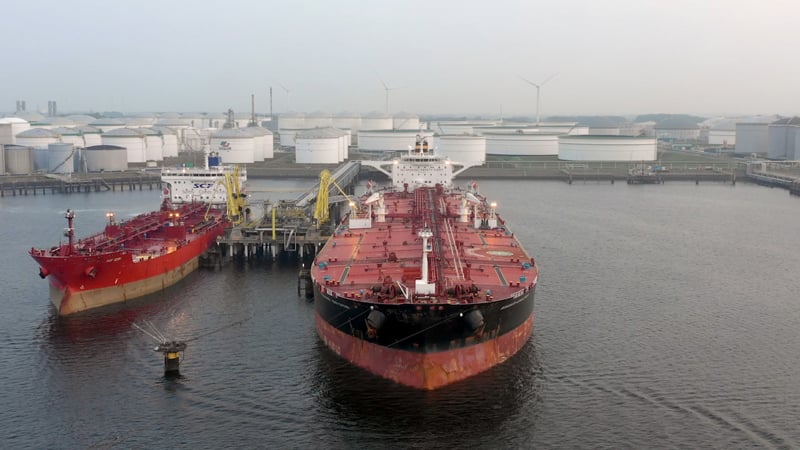
Tanker Ships are categorized based on their purpose, construction, and size:
Oil Tankers: For transporting crude oil, gasoline, kerosene, paraffins, and other refined and unrefined products. From intermediate-size ships of 10,000 – 20,000 Deadweight Tonnage (DWT) to VLCCs of 300,000 DWT and beyond. These ships are further sub-categorized as follows:
- Product Tankers: Maintaining focus and delivering refined petroleum products to consumers. These are smaller than unrefined crude oil tankers and mostly have epoxy-coated tanks for cargo protection and easy cleaning between various refined products such as Jet fuel, gasoline, diesel, fuel oils, biodegradable oils, etc. Product tankers come in different size categories from small/intermediate tankers of 10,000 – 20,000 DWT to Handysize of 35,000 – 37,000 DWT to larger Medium Range (MR) and Long Range (LR) of 45,000 – 75,000 DWT.
- Crude Oil Tankers: Oil tankers transport crude oil, unrefined, and untreated products to refineries. These tankers carry up to 2 million barrels of oil, typically between continents, and have been a fixture as the giants of the seas in oil transportation since the 1960’s. They can also be used to store oil at sea in strategic locations where they are needed. Crude oil tankers are classified by size from Aframaxes of 115,000 DWT, Suezmaxes of 160,000 DWT to the larger VLCCs of 300,000 DWT and beyond.
Gas Tankers: Specialized vessels designed for transporting various gases in bulk, categorized into:
- Fully Pressurized Ships: Carrying gas at ambient temperatures under pressure.
- Semi-Pressurized Ships: Similar to fully pressurized ships but with lower maximum working pressures.
- LNG Tankers: Specifically built to transport liquefied natural gas at very low temperatures (-162°C), using advanced containment systems like membrane tanks or self-supporting prismatic tanks.
Chemical Tankers: These ships are highly specialized and mostly rely on stainless steel tanks for cargo protection and tank cleaning.
Other Specialized Tankers: Specialized carriers require containment vats for slurry tankers transporting non-dispersible cargoes such as waste, and for tankers carrying specific liquid substances including liquefied hydrogen gas, juices, and wines. (source: https://www.marineinsight.com)
FAQs about Tanker Ship Management
What does ship management do?
Ship management involves overseeing the daily operations, maintenance, and administration of ships. This includes ensuring vessels are in good condition, compliant with regulations, and safely operated. It also involves managing the crew, logistics, and safety procedures.
What do tanker ship carry?
Tanker ship carry liquid cargoes such as crude oil, refined petroleum products (like gasoline and diesel), chemicals, liquefied natural gas (LNG), and other specialized liquids like vegetable oils and juices.
What is the difference between a tanker and a bulk carrier?
Tankers are designed to carry liquid cargoes in bulk, such as oil and chemicals. Bulk carriers, also known as dry cargo ships, transport a wide variety of solid goods like coal, grains, and steel coils. Other goods, such as machinery and heavy equipment, are considered break bulk and are handled on purpose-built bulk carriers.
How many crews are on a tanker ship?
A typical tanker has 20 to 25 crew members. The exact number can vary based on the ship’s size and operational needs, but it typically includes Officers and Engineers, and ratings for deck, engine and catering roles.
What is the function of a tanker ship?
According to Wikipedia, tanker ships are designed for bulk transportation or storage of liquids or gases. The main types of tankers include oil tankers (also known as petroleum tankers), chemical tankers, and gas tankers. Tanker ships are also used to transport various commodities such as vegetable oils, molasses, and wine.
If you are interested in learning more about our tanker ship management, please contact us today. We would be happy to discuss your specific needs and look forward to partnering with you.