
LPG Vessel Management
LPG vessel management experience covers a range of LPG vessel types, supporting safe and reliable operations. Vessels under management are maintained through structured technical management practices, supported by specialist LPG knowledge, with a focus on operational efficiency and consistent safety and quality standards.
Management systems, including Tanker Management & Self-Assessment (TMSA), are maintained and subject to periodic internal and external review. Vessel performance is monitored in relation to SIRE inspection requirements, with continuous efforts to improve processes and systems that support a safe and efficient onboard working environment.
In addition to core vessel management activities, specialist support may include:
- Safe and efficient LPG loading operations under various operating scenarios
- Terminal vetting for newly commissioned or unfamiliar LPG terminals
- Preparation for vetting inspections through ongoing engagement with ship staff and pre-vetting sailing visits
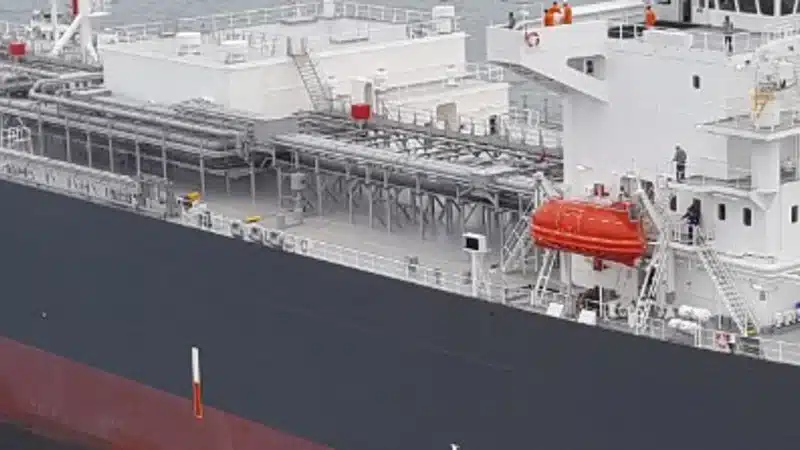
LPG Vessel Types Covered Under LPG Vessel Management
LPG vessel management experience includes oversight of different categories of LPG carriers, each designed to operate under specific cargo containment and operating conditions. The main LPG vessel types typically managed include:
Fully Pressurised Vessels
These vessels transport LPG at ambient temperature under pressure using robust spherical or cylindrical steel tanks. Their simpler design and smaller cargo capacity make them suitable for short-haul trades and regional distribution.
Semi-Pressurised / Semi-Refrigerated Vessels
These vessels combine moderate pressure with refrigeration to carry LPG at reduced temperature and pressure. This design supports increased cargo capacity and operational flexibility, enabling longer trading routes compared to fully pressurised vessels.
Fully Refrigerated Vessels
Fully refrigerated LPG vessels carry cargo at low temperatures and near-atmospheric pressure. They are designed for larger cargo volumes and long-distance transportation, typically operating on international LPG trade routes.
FAQs regarding LPG Ship Management and LPG Carrier
What is LPG ship management?
LPG ship management is the complex process of overseeing everything from the daily operation and maintenance of these specialized ships to ensuring safe, efficient transportation of Liquefied Petroleum Gas. It encompasses technical expertise, crew management, cargo optimization, regulatory compliance, and navigating global logistics – all while prioritizing safety and minimizing environmental impact.
What are the benefits of outsourcing LPG ship management to a ship manager?
Here are the key benefits of outsourcing LPG ship management to a dedicated ship management company:
- Enhanced Expertise: Ship management companies boast teams of experienced LPG specialists, from nautical officers to engineers and cargo coordinators. This expertise goes beyond the day-to-day, covering compliance with complex regulations, optimizing cargo handling, and navigating technical challenges specific to LPG vessels.
- Streamlined Operations: Managing an LPG vessel involves a vast network of suppliers, ports, and regulatory bodies. Outsourcing allows a gas shipping company to tap into the company’s established relationships and infrastructure, streamlining logistics, procurement, and communication, saving you time and resources.
- Reduced Costs: Building and maintaining a leading in-house LPG management team can be expensive. Outsourcing offers cost-effective access to a larger pool of skilled professionals, shared infrastructure, and economies of scale, leading to potentially significant cost savings in personnel, insurance, and technical maintenance.
- Improved Risk Management: Safety is paramount with LPG transport. Ship management companies have robust safety protocols, emergency response plans, and a deep understanding of navigating volatile environments. This ship manager helps mitigate risks, ensuring crew safety and minimizing potential environmental impact.
What is an LPG vessel?
According to Marine Insight, an LPG vessel, also known as a gas or LPG carrier, is a specialized ship designed for the safe and efficient transportation of Liquefied Petroleum Gas (LPG) or ammonia in bulk. LPG is a mixture of hydrocarbon gases derived from fossil fuel sources, produced during the petroleum (crude oil) refining process, primarily propane and butane, and is widely used for cooking, heating and as vehicle fuel. These vessels come in various sizes and designs, each suited for different purposes and voyage lengths.
What is the difference between LPG and LNG vessels?
The LPG and LNG ships are specialized gas carriers that transport liquefied hydrocarbon gases, but their characteristics and loading and unloading requirements are very different.
LPG carriers transport liquefied petroleum gas, which is a mixture of propane, butane, and other hydrocarbons. Liquefied petroleum gas liquefies at moderate pressure (about 8 bar) and does not require the extreme cold temperatures of LNG. Liquefied petroleum gas containers have cylindrical or spherical tanks that have high pressures. They come in a wider range of sizes, from smaller coastal vessels to larger ocean-going carriers.
LNG ships, on the other hand, are designed to transport liquefied natural gas (mainly methane) at extremely low temperatures (-162°C), with a volume reduction of 600 times. The ships feature large insulated cargo holds that resemble futuristic ocean cityscapes and are designed to transport large quantities of LNG, equivalent to the fuel tanks of 70,000 cars. The purpose of LNG ships is to realize long-distance transportation of LNG across oceans and deliver energy to areas far away from the production site. (Source: https://www.marineinsight.com)
What are the different sizes of LPG vessels?
According to Clarksons, LPG vessels come in various sizes, each suited for different purposes and journey lengths.
- Handy Gas Carriers: These LPG vessels have a capacity of 15,000 to 25,000 cubic meters (cbm). They are typically employed for short to medium-haul routes. Handy gas carriers can be semi-refrigerated, fully refrigerated, or pressurized ships.
- Mid-sizes: This category refers to fully refrigerated LPG ships with a capacity of 25,000 to 50,000 cbm. They are commonly used for intra-regional routes within the Americas or Asia, as well as medium-haul cross-trades in the North Sea and Europe.
- LGC: LGC stands for Large Gas Carriers, which encompass LPG vessels with a capacity of 50,000 to 70,000 cbm. These vessels are usually used to carry LPG between ports.
- Very Large Gas Carriers (VLGC): This category comprises LPG vessels with a capacity of 70,000 cbm and above. VLGCs are usually fully refrigerated and are employed on long-haul trade routes, particularly from the US and Middle East Gulf to Asia.
If you are interested in learning more about LPG vessel management, please contact us today. We would be happy to discuss your specific needs and look forward to partnering with you.