
Bulk Carrier Management
Bulk carriers under management are maintained through structured technical management practices and internal expertise, with a focus on operational reliability, safety, and quality standards. Management activities are aligned to support efficient vessel operations without compromising safety or regulatory requirements.
Safety performance is monitored through recognised industry frameworks and inspection regimes. Operations are conducted in accordance with ISM Code requirements and applicable ISO standards to support safe and effective ship management.
Why Choose Fartak B.O. Ship Management for your Bulk Carriers?
We emphasize delivering a seamless port call experience:
- Consistent and timely: We provide accurate and timely reporting of NOA and NOR while ensuring compliance with local port regulations. We also conduct timely testing of all manoeuvring and critical equipment.
- Safe: We conduct safe and efficient mooring practices. Our bunker operations include pollution prevention efforts to support sustainable seas.
- Compliant: We comply with ISPS Rules and Regulations for safe access to and from the vessel. We also follow the agreed loading and/or discharging plan including effective ballast operation and supervision by officers during the entire port stay.
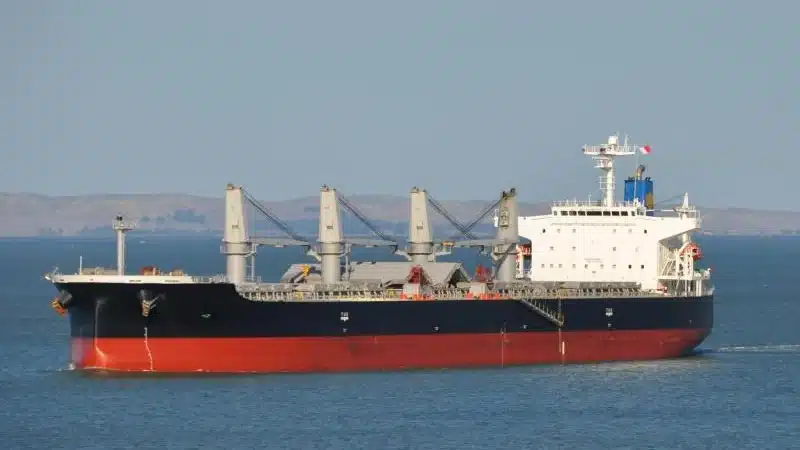
Bulk Carrier Types Covered Under Bulk Carrier Management
Bulk carrier management activities include the oversight of various types of dry bulk carriers designed for the transportation of unpackaged dry bulk cargoes such as grain, coal, iron ore, cement, and fertilisers. These vessels play an essential role in supporting industrial supply chains through regional and international trade.
Dry bulk carriers are generally characterised by large cargo holds fitted with hatch covers and cargo handling arrangements designed to support efficient loading and discharging operations. Depending on operational requirements and trade routes, bulk carriers are commonly categorised by size, with each category suited to specific cargo volumes and port limitations.
FAQs regarding Bulk Carrier Management and Bulk Carriers
What is a bulk carrier?
A bulk carrier is a type of ship responsible for carrying solid bulk cargoes (e.g. grains, coal, ore, cement, fertilizers), according to Wikipedia. These massive vessels feature large cargo holds and sophisticated loading and unloading systems. Bulk carriers’ cargo loading operations vary in complexity and can take days to load and unload. Bulk carriers can be gearless bulk carriers (dependent upon terminal equipment) or geared bulk carriers (having cranes integral to the vessel).
What is bulk carrier management?
Bulk carrier management refers to the comprehensive operation and oversight of ships that transport dry, unpackaged cargo, such as coal, grain, and iron ore. It covers all key areas of ship operation, including:
- Crewing: hiring and managing qualified personnel
- Maintenance: keeping vessels in optimal working condition
- Safety: ensuring all operations follow strict safety protocols
- Regulatory Compliance: complying with industry standards and international maritime regulations
- Operational Efficiency: minimizing delays, fuel use, and costs
The goal is to ensure bulk cargo is transported safely, efficiently, and in full compliance with industry regulations. Managers continuously monitor vessel performance, coordinate repairs, manage crew rotations, and align operations with the needs of cargo owners and stakeholders.
Why outsource bulk carrier management?
There are many benefits to outsourcing bulk carrier management to a ship management company, but here are four of the most significant:
- Enhance Security and Compliance: Most ship management companies have a long-standing reputation for their commitment to bulk carrier safety and compliance. Their dedicated team of safety officers and compliance experts ensures that all ships under their management comply with the highest international standards.
- Improve Operational Efficiency and Profitability: Ship management companies help you optimize operations and reduce costs. Their strong network of partners and suppliers allows them to provide ship owners with the best prices on supplies and other services.
- Reduce Risk and Exposure: Ship management companies have a team of risk management experts who can help ship owners identify and mitigate potential risks like cargo shifting, spontaneous combustion, cargo saturation and the piracy threat to the vessel. In addition, some of them also coordinate comprehensive insurance to help ship owners protect their assets in the event of an accident or loss.
- Reliability: Ship management companies have a dedicated team of professionals to provide ship owners with the highest quality service. Their global network of offices and support centres means ship owners’ interest will be well taken care globally.
How many tons can a bulk carrier carry?
Bulk carriers come in various sizes like container ships, and their carrying capacity is measured in terms of deadweight tons (DWT), which includes the weight of cargo, fuel, ballast, crew, and provisions. The capacity of the ship can vary widely based on the specific type and size of the bulk carrier. Here are some of the approximate ranges for bulk carriers of different types:
- Handysize Bulk Carrier: 10,000 to 34,000 DWT
- Handymax Bulk Carrier: 35,000 to 49,000 DWT
- Panamax Bulk Carrier: 50,000 to 80,000 DWT
- Capesize Bulk Carrier: 140,000 to 200,000 DWT
(source)
What is the lifespan of a bulk carrier?
The service life of a typical bulk carrier, from smaller bulk carriers to Capesize bulk carriers, can vary depending on various factors such as size, construction materials, maintenance practices and operating conditions. Based on the research of Hellenic Shipping News, typical bulk carriers have an average 25-year ship lifespan. However, with proper maintenance and upgrades, many ships can still operate for a long time, sometimes more than 30 years. Ultimately, lifetime decisions depend on economic feasibility, regulatory compliance, and safety considerations.
How do bulk carriers ensure cargo holds remain safe and compliant between voyages?
According to IMO Resolution A.866(20), cargo holds aboard bulk carriers should be inspected immediately after discharge and again before loading, with the aim of detecting any structural damage, corrosion, or defects. The resolution recommends that such inspections be carried out by the ship’s crew, under the supervision of the responsible officer and include the cargo holds, hatch covers, and ballast tanks to identify early signs of deterioration that may not yet be visible during formal surveys. Any damage found should be promptly addressed, and the results properly logged to support the vessel’s maintenance system and safety protocols. This approach not only helps preserve the ship’s structural integrity but also reinforces compliance with safety standards and reduces risk during subsequent voyages.
If you are interested in learning more about our bulk carrier management, please contact us today. We would be happy to discuss your specific needs and look forward to partnering with you.